What is Rainwater Harvesting?
Rainwater harvesting is a method of collecting rainwater from building rooftops, storing it, and reusing it for various purposes.
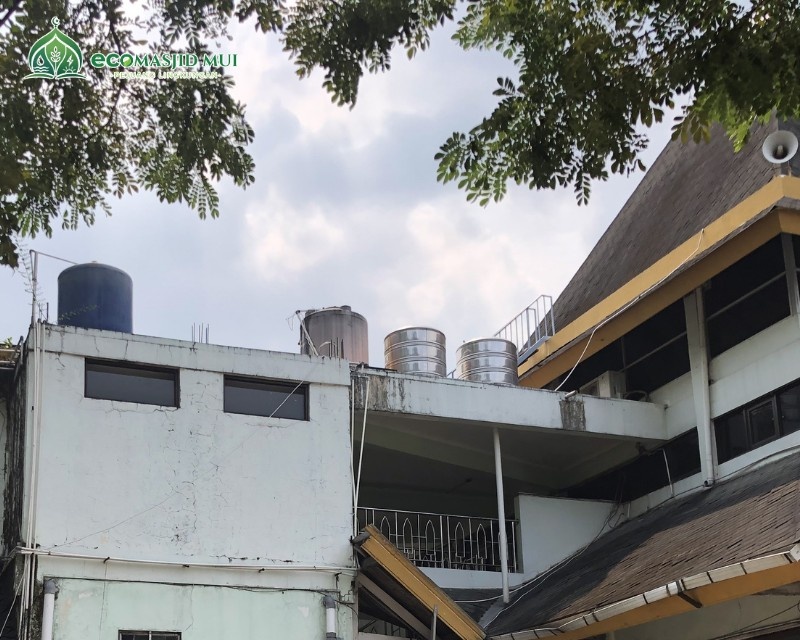
In mosques, rainwater is usually channeled from roof gutters into a storage tank. When the tank is full, excess water is directed into an infiltration well so it can seep back into the ground.
Why is Rainwater Harvesting Important?
Clean water resources are becoming increasingly limited, while mosques require a significant amount of water for:
ablution (wudhu)
toilets
watering plants
environmental cleanliness
By harvesting rainwater, mosques can:
reduce groundwater usage
lower water bills
reduce flooding and water puddles
help preserve groundwater reserves
Who Can Implement It?
All mosques can implement this system, including:
large mosques
small prayer rooms (musholla)
Islamic boarding schools
Islamic schools
Even residential homes can use a simple rainwater harvesting system.
When is This System Used?
This system works whenever it rains.
Rainwater that falls onto the roof flows through the gutters into the storage tank. The stored water can then be reused whenever needed.
Where is This System Installed?
This system is usually installed on:
mosque rooftops
gutters
water pipes
storage tanks
infiltration wells around the mosque yard
This system does not require a large area of land.
How Does It Work?
The process is simple:
Rainwater falls onto the mosque roof
Water flows through the gutters
Water enters the storage tank
Water is reused for mosque needs
If the tank is full, overflow water is directed into an infiltration well
The water seeps back into the ground and helps maintain groundwater reserves
Conclusion
Rainwater harvesting is a simple solution with major benefits for both mosques and the environment.
By harvesting rainwater, mosques not only conserve water but also help protect the earth and support environmental sustainability for future generations.